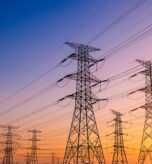
Electricity costs in Eswatini are climbing — and local businesses are feeling it. The Eswatini Energy Regulatory Authority (ESERA) approved an average tariff increase of 14.67% for the 2025/26 financial year, which the government later adjusted to 8% following public concern. On top of that, businesses have already absorbed an 8.02% increase from the 2024/25 financial year. With over 55% of Eswatini’s electricity imported from South Africa and Mozambique — mostly from carbon-intensive coal sources — these price hikes are unlikely to stabilise any time soon.
Praesent laoreet convallis tellus. Donec nulla orci, rutrum sit amet nisi at, pharetra auctor justo. Pellentesque et malesuada odio. Curabitur lectus erat, malesuada non dolor vel, pellentesque scelerisque nunc. Morbi non aliquam sapien, id gravida tellus. Sed eleifend vulputate volutpat. Duis id erat nec ipsum elementum luctus nec vel nibh.
In this article, we explore how rising electricity prices are reshaping business strategy in Eswatini, and which digital solutions are proving most effective at reducing costs, improving efficiency, and building long-term resilience.
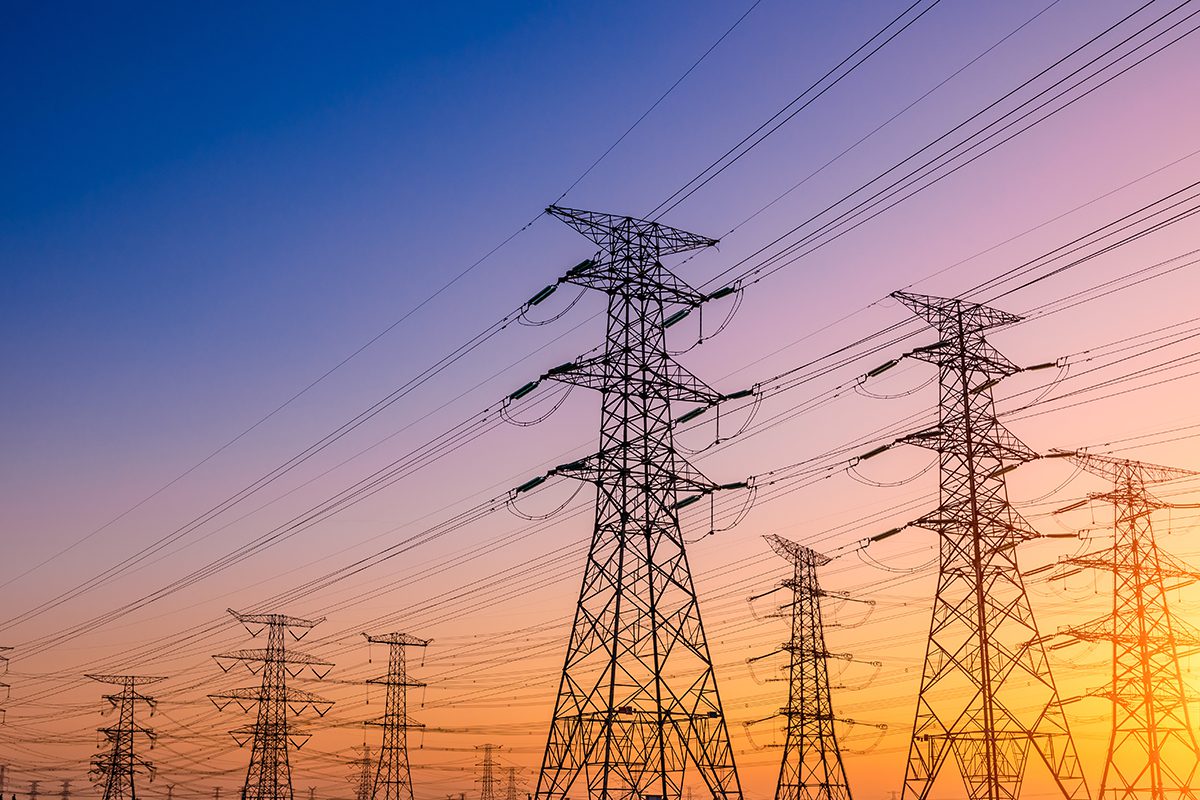
The Real Cost of Rising Electricity Prices on Eswatini Businesses
Before exploring solutions, it is worth understanding the full scale of the problem. Electricity tariff increases do not just raise your monthly utility bill — they trigger a cascade of rising costs across your entire operation.
Here is how higher electricity prices impact businesses indirectly:
- On-premise servers and data centres consume significant electricity 24/7 — costs that spike with every tariff increase.
- Manufacturing and production floors face higher input costs, which push up the price of local goods.
- Air conditioning, lighting, and security systems add to overhead costs in physical office spaces.
- Suppliers and logistics partners pass their own energy cost increases downstream, compressing margins further.
- Rising operational costs reduce disposable income across the economy, which can suppress customer spending.
Economist Thembinkosi Dube, commenting on the 2024 tariff increases, warned that rising energy costs directly reduce the disposable income of emaSwati, ultimately contributing to inflationary pressure across the economy. Businesses that fail to adapt risk being squeezed from multiple directions at once.
Why Digital Transformation Is the Smart Response
Globally, businesses facing rising energy and operational costs have consistently turned to digital transformation as their primary cost-reduction strategy. According to research from leading consulting firms, organisations that successfully implement digital solutions typically reduce operational costs by 20–30% within the first two years.
In the Eswatini context, digital transformation is especially powerful because it directly addresses the root causes of high electricity costs: physical infrastructure, manual processes, and energy-heavy operations. The global digital transformation consulting market, valued at USD 344.72 billion in 2024, is growing at 11.2% annually — precisely because businesses worldwide are making this same calculation.
Let us look at the most impactful digital strategies available to Eswatini businesses right now.

1. Cloud Migration — Eliminate the Power-Hungry On-Premise Server
5 Digital Solutions That Reduce Your Electricity Dependency
On-premise servers are electricity intensive. They run continuously, require cooling systems, and need dedicated physical space — all of which cost money every single hour. Migrating your business systems to cloud platforms such as Microsoft Azure, AWS, or Google Cloud removes this burden entirely.
Cloud providers operate at massive scale, meaning they achieve energy efficiency that no single business could match independently. Your data and applications are hosted in facilities optimised for low energy consumption — and you only pay for what you use. For Eswatini businesses, cloud migration is arguably the single most impactful step you can take to reduce electricity-related costs.
Cloud migration also enables remote and hybrid work, which reduces office electricity consumption further — a benefit that leading consulting firms like Deloitte and Accenture have been helping their clients realise globally since 2020.
2. Business Process Automation — Do More With Less
Manual processes require human presence — and human presence in an office means electricity. Automating repetitive tasks through software reduces the hours your team spends in energy-consuming workspaces, while simultaneously improving accuracy and speed.
Robotic Process Automation (RPA) — which handles tasks such as data entry, invoicing, reporting, and customer communications — is growing rapidly. The global RPA market is projected to reach USD 30.85 billion by 2030. For Eswatini businesses, even basic automation of back-office processes can produce immediate cost savings and reduce your reliance on office-bound operations.
3. Digital Collaboration Tools — Reduce Office Time Without Reducing Productivity
Every hour your team works remotely is an hour your office is not consuming electricity. Digital collaboration platforms — such as Microsoft Teams, Slack, and Google Workspace — allow businesses to maintain full productivity without requiring everyone to be in a physical office simultaneously.
Hybrid work models, now standard practice among top consulting firms globally, have been shown to reduce commercial electricity consumption significantly. For a country where electricity tariffs continue to rise, this is a meaningful and immediate cost lever.
4. Energy Management Software — Control What You Cannot Eliminate
For businesses that must maintain physical premises, energy management software provides real-time visibility into electricity consumption. IoT-connected sensors and smart monitoring tools can identify where energy is being wasted — whether that is air conditioning running during off-hours, inefficient lighting, or equipment left on unnecessarily.
Research shows that predictive maintenance powered by data analytics can reduce operational costs by up to 20% through early issue detection and smarter resource allocation. In an environment where every unit of electricity counts, this visibility is invaluable.
5. AI and Data Analytics — Make Smarter Business Decisions Faster
Artificial Intelligence is no longer a tool reserved for multinational corporations. Accessible AI tools can help Eswatini businesses optimise scheduling, predict demand, manage inventory more efficiently, and reduce waste — all of which have indirect effects on energy consumption and operational costs.
According to a McKinsey survey, 71% of organisations globally are now using generative AI in at least one business function. Eswatini businesses that begin integrating AI-driven decision-making now will build a meaningful competitive advantage — not just in cost efficiency, but in agility and market responsiveness.

What This Means for Eswatini Businesses Specifically
Eswatini imports over 55% of its electricity, primarily from South Africa and Mozambique. This structural dependency means that local businesses are exposed not just to domestic tariff decisions, but to regional energy market dynamics that are largely outside their control. The government’s own Energy Masterplan acknowledges this vulnerability and has set a long-term goal of energy independence by 2034 — but that is over a decade away.
Businesses cannot afford to wait. The decisions you make now — about your IT infrastructure, your operational model, and your use of technology — will determine whether rising energy costs erode your margins or whether you have positioned yourself to operate more leanly and efficiently than your competitors.
The good news is that digital transformation does not require a massive upfront investment. A phased approach — starting with cloud migration for your core business systems, then adding automation and analytics — can deliver measurable cost savings within months, not years.
How Edge Consulting Can Help
As a software consulting firm based in Eswatini, we understand the specific challenges that local businesses face. We work with SMEs and enterprises across the Kingdom to design and implement digital solutions that are practical, cost-effective, and built for our operating environment.
Whether you are looking to:
- Migrate your business systems to the cloud and eliminate on-premise infrastructure costs
- Automate manual processes to reduce staff overhead and office electricity consumption
- Implement remote work tools that maintain productivity while reducing your physical footprint
- Use data analytics to make smarter decisions about your energy and operational spending
— we have the expertise and the local knowledge to guide you through the process.
Ready to take the first step? Contact us today for a free consultation and let us show you how the right digital strategy can turn rising electricity costs into a catalyst for your business growth.